Looking for a friendly, illustrated guide to cybersecurity that actually helps you defend yourself?
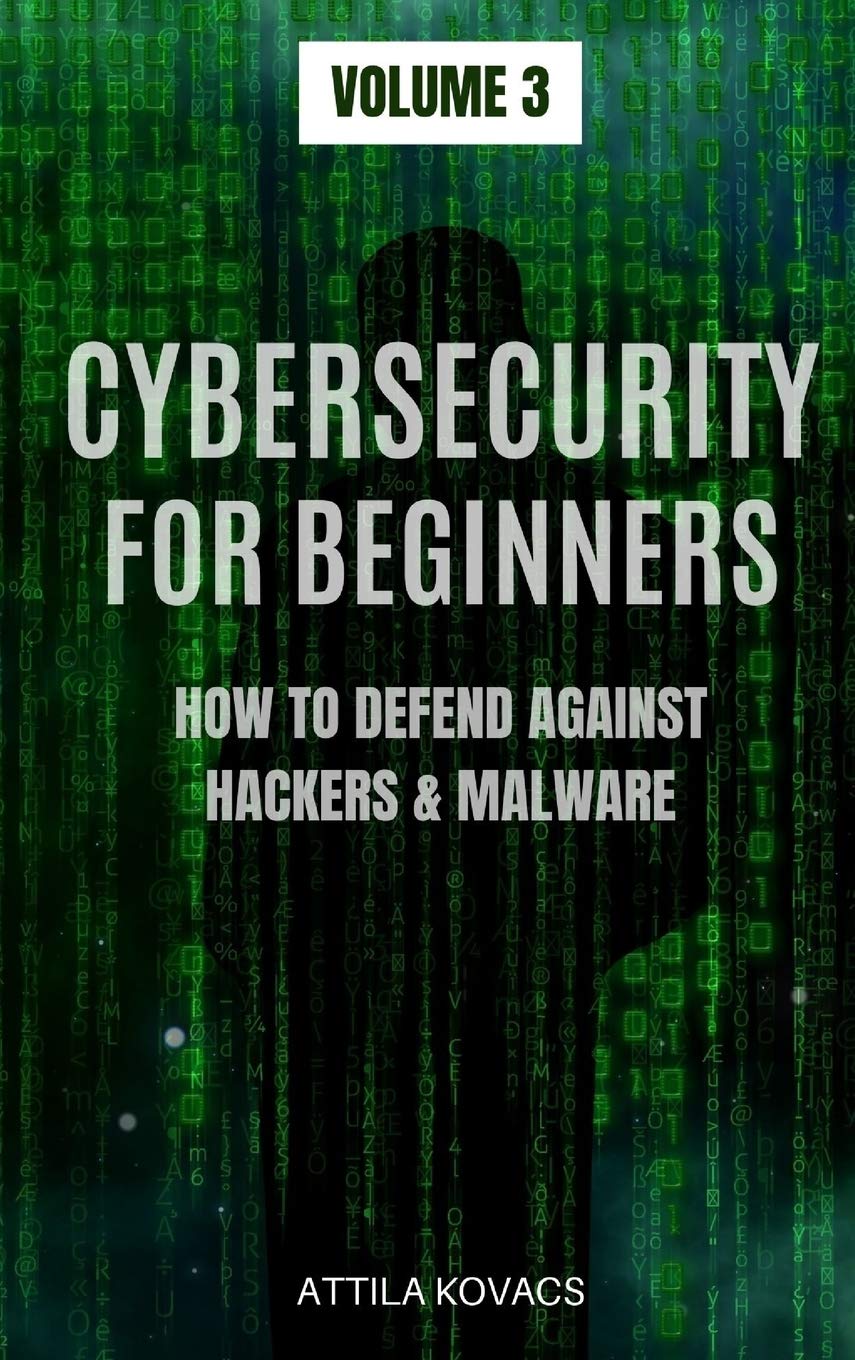

Overview of “Cybersecurity for Beginners: How to Defend Against Hackers & Malware Illustrated Edition”
This book aims to give you a practical foundation in cybersecurity using clear language and visual aids. You’ll find an emphasis on hands-on, actionable guidance so you can start protecting your devices, accounts, and privacy right away.
What the book covers
The author focuses on core cybersecurity concepts you need to understand before applying defenses. You’ll move from basic terminology to real-world practices that matter for everyday users and small organizations.
Fundamentals of cybersecurity
You’ll learn about confidentiality, integrity, and availability — the three pillars that underpin how professionals think about security. The chapter also introduces authentication, encryption, and basic network concepts using approachable examples.
Common threats: hackers and malware
You’ll get a breakdown of common attack types, including phishing, ransomware, bots, and credential theft. Each threat is described in plain language, and you’ll see how those threats typically reach you through email, web browsing, and insecure networks.
Practical defenses and tools
You’ll receive step-by-step guidance on improving your security posture with things like passwords, multi-factor authentication (MFA), firewalls, and antivirus. The book shows how to pick tools, configure basic settings, and adopt safe habits without needing advanced technical skills.
Illustrated approach and learning style
You’ll benefit from diagrams, flowcharts, and annotated screenshots that make abstract ideas concrete. The illustrations are used to simplify processes like how encryption works or how a malware infection propagates, which helps if you’re a visual learner.
Who this book is for
You’ll find this book suitable if you’re new to cybersecurity and want to protect yourself, your family, or your small business. The content targets non-technical readers, but it’s also useful if you’re an aspiring IT professional seeking a gentle introduction.
How the book is structured
The book is organized in progressive sections that build your knowledge step by step and include practical checklists and mini-tutorials. Chapters typically start with a simple explanation, follow with illustrated examples, and end with actionable takeaways you can implement immediately.
Typical chapter flow
Each chapter generally opens with a scenario to frame the problem, then explains the technical details at a human level. You’ll find end-of-chapter summaries and quick tasks to reinforce what you’ve learned.
Visuals and illustrations
The images are designed to reinforce key ideas without overwhelming you with technical diagrams or jargon. You’ll appreciate the consistent visual style that uses color coding and icons to highlight risks and solutions.
How visuals improve learning
Visuals help by mapping abstract concepts like threat actors and attack paths to everyday analogies, which make them easier to remember. You’ll find flow diagrams especially helpful when following sequences such as what happens during a phishing attack.
Writing style and readability
The tone is conversational, friendly, and avoids heavy technical jargon wherever possible, so you won’t feel lost. You’ll notice short sections, bold callouts, and plain-English explanations that make the material digestible in short reading sessions.
Language and pacing
The author writes with an emphasis on clarity and practical outcomes, pacing topics so you don’t get overloaded. You’ll be guided gently from fundamental ideas to more actionable steps without feeling rushed.

Hands-on exercises and labs
You’ll encounter hands-on exercises that encourage you to change settings, run basic scans, and test your knowledge with simple simulations. These tasks are designed for everyday devices and commonly available free tools so you can practice safely.
Safety and scope of exercises
Exercises emphasize safe, reversible actions and avoid anything that would put your systems at risk. You’ll be told to back up data and use test environments or throwaway accounts when appropriate.
Technical depth and accuracy
The book balances practical guidance with technical accuracy so you can trust the advice without getting bogged down. Technical topics are simplified but not misrepresented, and the book clarifies when a deeper dive or professional help is recommended.
When professional help is needed
You’ll be given clear indicators of scenarios where you should involve an IT professional, incident response team, or legal counsel — for example, significant data breaches or extortion attempts. The book doesn’t try to make you a pro overnight; it helps you become an informed user who knows when to escalate.
Chapter-by-chapter breakdown (table)
Below is a sample breakdown to help you understand how the content maps to practical outcomes. You’ll find this table useful for deciding which chapters to read first based on your priorities.
| Part / Chapter | Topics covered | What you’ll learn | Difficulty |
|---|---|---|---|
| Part 1: Basics | Security principles, terminology, threat landscape | How security concepts map to real life and common threats | Very low |
| Part 2: Personal Security | Passwords, MFA, email safety, social engineering | How to secure accounts, spot phishing, and set up MFA | Low |
| Part 3: Device Security | OS updates, antivirus, backups, encryption | How to harden devices and create reliable backup routines | Low |
| Part 4: Network Security | Home routers, Wi‑Fi encryption, VPNs | How to configure router settings, secure Wi‑Fi, and use VPNs | Medium |
| Part 5: Malware & Incident Response | Ransomware, trojans, removal steps, reporting | How to recognize infections, remove malware, and respond | Medium |
| Part 6: Privacy & Data Protection | Social media, data collection, privacy settings | How to reduce data exposure and adjust privacy controls | Low |
| Part 7: Next Steps | Learning paths, certifications, resources | How to continue learning and move into more advanced topics | Low |
You’ll notice the table emphasizes practical outcomes and difficulty so you can choose chapters that match your current skills.
Pros
You’ll get an accessible and practical introduction with lots of visual support and clear action items. The book’s strongest points are its readability, usefulness to non-technical users, and focus on immediate, implementable steps.
- Illustrated explanations that simplify complex concepts.
- Practical checklists and step-by-step procedures for common tasks.
- Emphasis on safety and recovery (backups, incident reporting).
- Suitable for individual users, families, and small businesses.
- Low-cost entry point compared to paid training or courses.
You’ll find these advantages particularly helpful if you want quick wins without needing formal IT training.
Cons
You’ll encounter limitations if you’re seeking a deep, technical manual or enterprise-level guidance. The book isn’t a substitute for formal certifications or professional incident response training, and advanced readers may find some topics too high-level.
- Not a comprehensive manual for security professionals.
- Limited coverage of advanced topics like threat hunting, SIEM, or secure software development.
- Some examples may be simplified for clarity and may not cover edge cases.
- Depending on publication date, tool recommendations can age quickly.
You’ll still find it valuable as a foundation, but plan to supplement with more advanced resources if you want to go further.
How to get the most from the book
You’ll get the best results by reading actively and doing the exercises as you go, rather than passively skimming chapters. Make incremental changes to your devices and accounts, and use the included checklists to track progress.
Suggested study routine
Read one chapter, apply the recommended actions on a single device, and then move to the next chapter once you’re comfortable. You’ll retain more when you practice immediately instead of postponing steps.
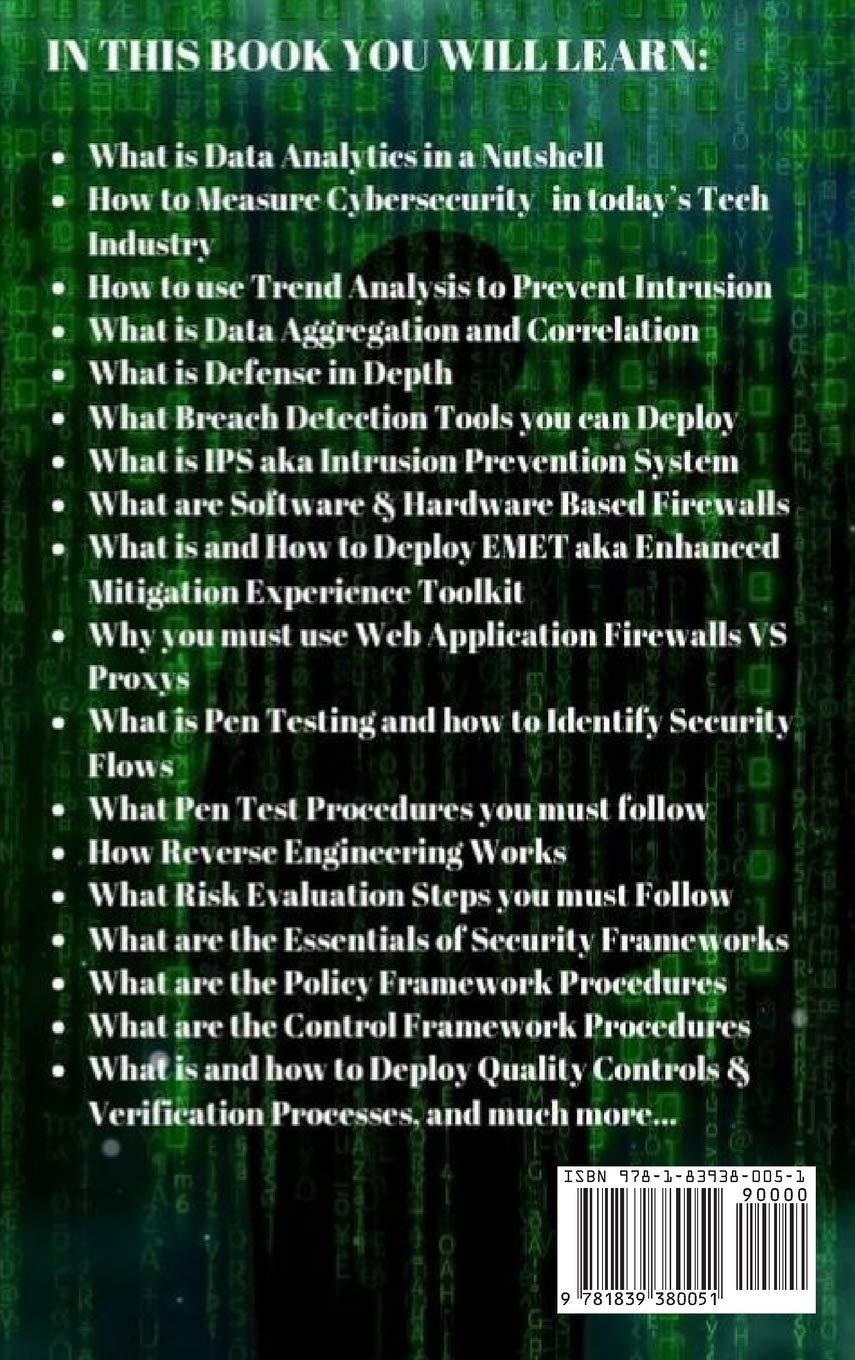
Who should consider buying this book
You’ll benefit from this book if you’re a beginner who wants to protect personal devices, manage household tech, or establish basic security routines for a small team. People who prefer visual learning and step-by-step guidance will find especially good value.
Use cases
If you’re setting up a new home network, worried about phishing, preparing for a new job that requires basic cybersecurity knowledge, or just trying to stay safe online, this book will guide you. You’ll also find it helpful when onboarding family members who aren’t tech-savvy.
Who should not buy this book
You won’t find this book adequate if you already work in cybersecurity or need in-depth, technical treatments of defensive strategies. Professionals seeking training for SOC operations, threat intelligence, or secure coding should look for more advanced textbooks and hands-on labs.
Alternative needs
If your role requires deep technical competence, you’ll want specialized courses, certifications, and labs (for example, CompTIA Security+, CISSP, or SANS training). You’ll use this book as a primer but will need more advanced resources afterward.
Pricing and formats
You’ll commonly find this book in paperback and digital formats; prices vary depending on seller and promotions. If you prefer reading on a device, choose the illustrated ebook or tablet-friendly format to preserve the clarity of diagrams.
Value proposition
For the typical price point of a short, beginner guide, you’ll likely get a strong return on investment if you implement even a fraction of the recommended practices. The cost of prevention is small compared to losses from identity theft, ransomware, or privacy violations.
Complementary resources and next steps
You’ll want to pair this book with a few free or low-cost online resources for hands-on practice, such as reputable cybersecurity blogs, vendor documentation, and community labs. After finishing the book, consider following online courses, joining local security meetups, and trying beginner-level capture-the-flag (CTF) challenges to reinforce skills.
Suggested follow-ups
Start with free learning platforms, then move to structured courses or certifications when you’re ready to commit. You’ll gain confidence more quickly by alternating reading with practical tasks and community interaction.
Comparison with other beginner titles (table)
If you’re comparing options, the table below highlights how this illustrated edition stands against common alternatives.
| Feature | This Illustrated Edition | Typical Text-Only Beginner Book | Video Course |
|---|---|---|---|
| Visual aids | Strong — many diagrams and screenshots | Weak — few visuals | Variable, often strong |
| Practical tasks | Many step-by-step actions | Some checklists, less hands-on | Hands-on demos, sometimes interactive |
| Accessibility for non-tech readers | High | Medium | High (if paced well) |
| Updatability | Low (static print) | Low | High (instructors can update) |
| Cost | Usually low to moderate | Usually low | Can be expensive |
You’ll find that illustrated books are particularly useful when you want visual reinforcement, while video courses offer demonstrations and often include lab access.
Real-world applicability
You’ll be able to immediately apply many of the book’s recommendations, like enabling MFA, cleaning up account permissions, and setting up automated backups. The practical emphasis means you can reduce major risks within hours if you follow the checklists.
Examples of actions you can take today
Change weak passwords to passphrases, set up MFA for your email and bank accounts, configure your home router’s admin password and Wi‑Fi encryption, and start a regular backup plan. You’ll notice a marked improvement in your security posture even after a short session.
Accessibility and inclusivity
You’ll appreciate the simple language and visual aids if English is your second language or if you prefer plain-speaking instruction. The book’s format aims to lower barriers to learning and make cybersecurity approachable.
Suggestions for non-native readers
Read chapters more than once and use the glossary or index to refresh technical terms, and consider pairing reading with translated resources if you need additional clarification. You’ll benefit by taking it slow and practicing the recommended steps.
Updates and currency
You’ll want to verify tool recommendations and specific vendor steps against current online documentation, since security tools and interfaces change over time. The conceptual guidance remains valuable, but always check for the latest best practices when implementing specific configurations.
How to stay current
Subscribe to reputable security news sites, follow vendor advisories, and check the book’s publisher or author page for errata or new editions. You’ll keep your defenses current by combining the book’s basics with ongoing updates.
Frequently asked questions (FAQ)
Is this book suitable for complete beginners?
Yes, you’ll find the content tailored for readers with little or no prior cybersecurity experience. The pacing is gradual, and the hands-on tasks assume only basic computer literacy.
Will this book teach me how to remove malware?
You’ll receive practical steps for detecting and removing common forms of malware and guidance on when to seek professional help. The advice is focused on safe, reversible methods and restoring systems from backups if needed.
Are the tools recommended free or paid?
Many recommended tools are free or have free tiers suitable for beginners; some advanced utilities might be paid. You’ll be given both free and paid options so you can choose what fits your budget.
Can I use this for small business security?
Yes, you’ll find many recommendations applicable to small businesses, especially for account management, backups, and basic network hardening. For larger or regulated environments, you’ll want more tailored, professional solutions.
Does the illustrated format help learning better than text-only?
Generally, yes — you’ll absorb complex ideas faster when they’re shown visually alongside clear explanations. The illustrations make it easier to follow step-by-step instructions and remember key concepts.
Practical checklist to start using immediately
You’ll find this short checklist useful as a starting point; it summarizes high-impact actions you can take in a single weekend.
- Update operating systems and key software on your primary devices. You’ll reduce exposure to known vulnerabilities by patching.
- Create strong, unique passwords and enable MFA on critical accounts. You’ll drastically lower the chance of account takeover.
- Set up a regular backup schedule and test restore procedures. You’ll protect your data against device failure and ransomware.
- Configure your home router with a strong admin password and WPA3/WPA2 encryption. You’ll secure your local network against casual attackers.
- Install reputable endpoint protection and run a full scan. You’ll detect and remove common threats.
- Audit privacy settings on social media and critical accounts. You’ll limit your personal data footprint.
Final verdict
You’ll get a highly practical, accessible introduction to cybersecurity that’s particularly well-suited to beginners and visual learners. The book won’t replace advanced training, but it gives you the tools and confidence to make meaningful security improvements right away.
Bottom line
If you want actionable steps, friendly explanations, and helpful illustrations that make cybersecurity approachable, this illustrated edition is a strong choice. You’ll leave with clearer understanding, better habits, and a roadmap for next steps in your security journey.

Disclosure: As an Amazon Associate, I earn from qualifying purchases.