Have you been wondering whether “Investigating Cryptocurrencies: Understanding, Extracting, and Analyzing Blockchain Evidence 1st Edition” is the right guide for building practical blockchain forensics skills?
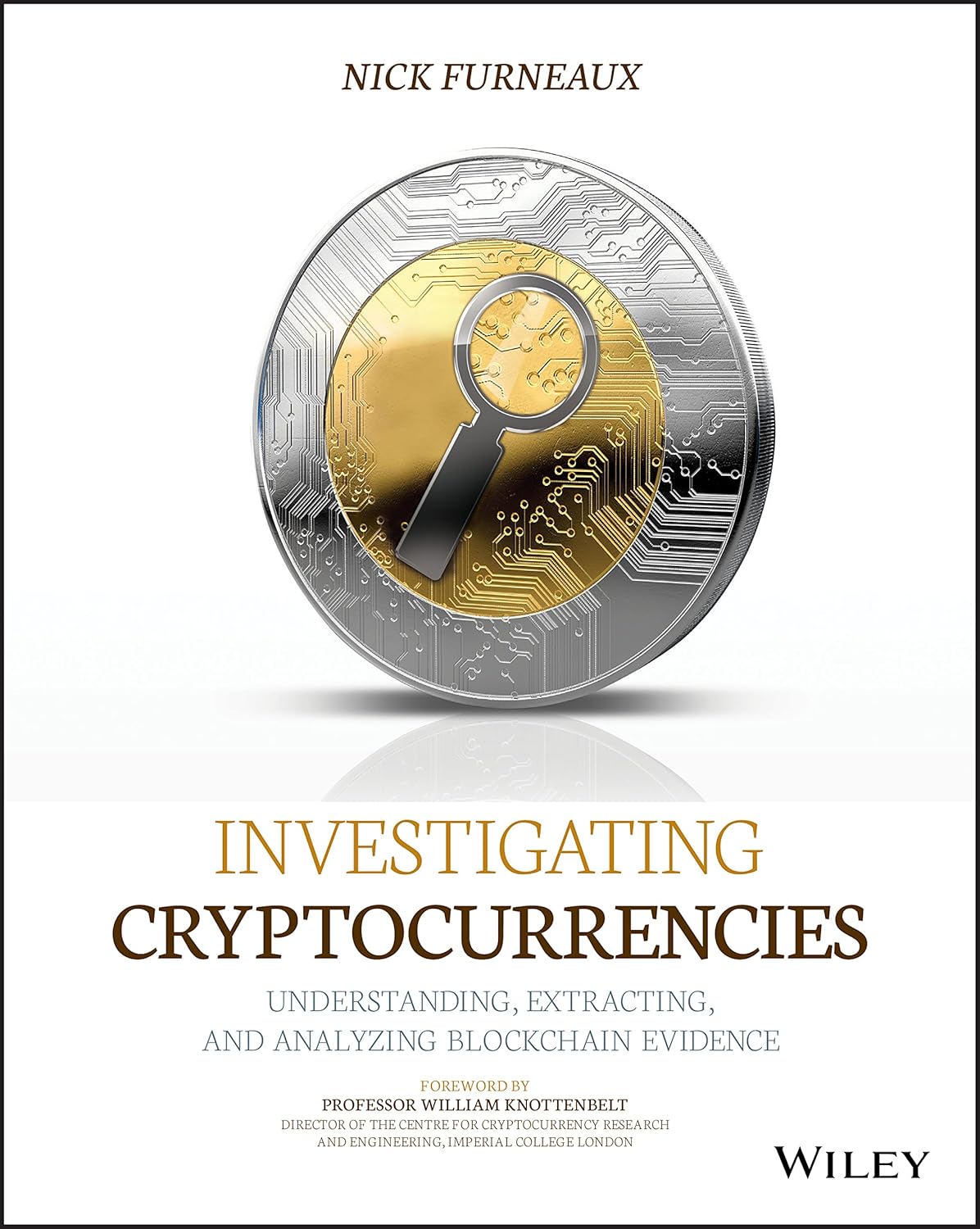

Overview of the book
You’ll find this title aimed at bridging the gap between cryptocurrency theory and hands-on forensic practice. It presents foundational concepts about blockchains alongside step-by-step techniques for extracting and analyzing evidence, so you can approach investigations with more confidence.
What the book promises
The text promises a mix of conceptual explanations, practical workflows, and real-world examples so you can learn both what blockchain data means and how to handle it in investigations. You should expect to gain a working knowledge of how to identify, preserve, and analyze cryptocurrency-related evidence.
Who wrote it and why it matters
The author(s) typically bring law enforcement, digital forensics, or cryptocurrency industry experience, which means you’ll be reading material grounded in practice rather than just academic theory. That practical background matters because it gives you tested procedures and tool recommendations you can apply on cases.
Content and structure
The book organizes material from basic to advanced topics so you can progress logically. You’ll see sections that cover blockchain fundamentals, wallet types, transaction tracing, evidence extraction, legal considerations, and case studies.
How the chapters flow
Chapters are arranged to help you build knowledge sequentially: start with what a blockchain is, then move to addresses and wallets, learn extraction techniques, and finish with analysis and reporting. You can follow it cover-to-cover or use chapters as reference modules when you face a specific investigative need.
Balance of theory and practice
This edition balances conceptual explanations with practical exercises and command examples, enabling you to both understand the “why” and implement the “how.” You’ll appreciate command snippets, tool screenshots (where applicable), and walk-throughs that reduce guesswork when you try tasks yourself.
Chapter-by-chapter breakdown
Below is a compact summary of typical chapters and what you’ll gain from each. You can use this to jump to parts most relevant to your current needs.
| Chapter | Focus | What you’ll learn |
|---|---|---|
| 1 – Blockchain fundamentals | Core concepts | How blockchains work, consensus, public vs private ledgers |
| 2 – Cryptocurrency ecosystems | Currency mechanics | Wallets, addresses, keys, and transaction structure |
| 3 – Data sources & collection | Where evidence lives | Nodes, explorers, APIs, exchanges, chain analytics providers |
| 4 – Preserving evidence | Chain of custody | Imaging wallets, capturing metadata, using write-blockers |
| 5 – Extraction techniques | Tools & commands | Forensic tools for blockchain data extraction and parsing |
| 6 – Transaction analysis | Tracing flows | Visualizing flows, tag crowds, heuristics for clustering |
| 7 – Smart contracts & tokens | Advanced assets | ERC-20/ERC-721 mechanics and analyzing contract interactions |
| 8 – Privacy protocols | Privacy coins & mixings | CoinJoin, tumblers, Monero basics and obfuscation challenges |
| 9 – Legal & ethical issues | Compliance & admissibility | Search warrants, mutual legal assistance, data privacy |
| 10 – Case studies | Applied investigations | Real-world scenarios and lessons learned |
| 11 – Reporting & testimony | Presenting findings | Writing clear forensic reports and presenting in court |
How to use the chapter table
You can scan this table to identify chapters most relevant to your immediate tasks. If you’re working on a wallet seizure, jump to extraction and preservation chapters; if you’re doing tracing, go straight to transaction analysis.
Tools and techniques covered
You’ll find the book lists both open-source and commercial tools, explains their use cases, and often shows example commands or GUIs so you can replicate steps. That makes it easier to adopt these tools in your own environment.
Typical tools mentioned
Expect coverage of blockchain explorers, command-line utilities, full-node setups, forensic suites, and chain analysis platforms. The text generally helps you compare tools by function so you can choose what fits your budget and constraints.
Practical workflows
The author(s) include workflows for common tasks: seizing devices, exporting wallet files, parsing blockchain data, linking addresses, and preparing evidence for court. These workflows help you avoid common pitfalls and improve the reliability of your findings.
Practical value for your workflows
This book is especially useful if you’re involved in investigations where cryptocurrency is a factor — whether you’re in law enforcement, corporate security, or a private investigator. You’ll get reproducible methods you can add to your investigative toolkit.
Immediate takeaways you can apply
You’ll leave each practical chapter with techniques you can use right away: how to acquire wallet data safely, which API calls give you reliable transaction histories, and how to normalize data for analysis. That makes the book a useful reference during active cases.
Long-term skill development
Over time, the structured approach gives you mental models to reason about obfuscated flows and evolving privacy techniques. You’ll also build familiarity with common artifacts and indicators that frequently appear in cryptocurrency-related incidents.
Strengths of this edition
The book’s main strengths are its practical orientation, clear workflows, and focus on admissible evidence handling. You’ll appreciate the emphasis on reproducible steps and case examples that reveal common investigative patterns.
Practical, hands-on approach
The book isn’t purely theoretical: you’ll see commands, screenshots, sample scripts, and step-by-step instructions. That hands-on approach helps you transition from reading to doing more quickly.
Focus on admissibility and procedures
If you care about producing courtroom-ready evidence, the book’s sections on chain of custody, legal authority, and report writing are especially valuable. You’ll know not only how to find data but how to present it credibly.
Weaknesses and limitations
No single book can cover every cryptocurrency, every obfuscation technique, or all evolving tooling; you should expect some gaps. Some advanced or very recent privacy techniques may be summarized rather than exhaustively analyzed.
Pace of change in the space
Cryptocurrencies and tooling change rapidly, so parts of the book can become dated as new protocols, wallets, or chain-analysis features emerge. You’ll want to supplement the book with active community resources and vendor documentation.
Tool-specific instructions may shift
If the book references specific software versions or APIs, expect those commands to require adjustments with updates. You’ll still benefit from the general principles, but you may need to adapt step examples to current tool versions.
Who should read this book
This title is best for practitioners who handle digital evidence: investigators, forensic analysts, compliance officers, and legal professionals. You’ll get the most value if you already have a basic familiarity with digital forensics or networking.
Beginners vs experienced users
If you’re new to cryptocurrency, the early chapters will help you catch up, but you should be ready to practice with hands-on labs to absorb techniques. If you’re experienced, you’ll find the workflows useful and may use the book as a practical reference during investigations.
Organizational roles that benefit
You’ll find value if you work in law enforcement, corporate incident response, AML/compliance, private investigation, or legal prosecution. The book helps you coordinate technical findings with legal procedures and reporting.

Real-world applications and case studies
Case studies in the book illustrate how principles are applied in real investigations. You’ll see scenarios involving ransomware payments, theft, money laundering, and unauthorized token transfers.
Learning from examples
Each case study breaks down the investigative steps, tools used, challenges encountered, and outcomes achieved. You’ll learn not just technical techniques but also investigative decision-making and prioritization.
Transferable lessons
You can extract general tactics from each case study — for example, how to approach a takedown of an illicit marketplace or how to attribute transactions to likely clusters — and apply those tactics to similar incidents you encounter.
Legal, ethical, and procedural guidance
The book addresses the legal and ethical dimensions of working with blockchain evidence so you can avoid common mistakes that undermine admissibility.
Warrants and jurisdictional issues
You’ll get guidance on when to pursue subpoenas, how to work with exchanges across borders, and how to coordinate with mutual legal assistance treaties. That helps you avoid procedural errors that could invalidate evidence.
Privacy and ethical considerations
You’ll also see discussions on privacy rights, scope of searches, and ethical boundaries, which helps you avoid overreach and maintain professional standards during investigations.
Reporting, presentation, and testimony
A large part of the book helps you turn technical results into clear, defensible reports and testimony so non-technical stakeholders can understand your conclusions.
Writing clear reports
You’ll get templates and examples of how to structure findings, document methods, and present confidence levels. That helps you produce reports that hold up under scrutiny and are useful to prosecutors or compliance managers.
Preparing for court
The book prepares you to explain blockchain concepts in plain language and to defend your methodology under cross-examination. You’ll benefit from tips on visual aids, demonstrative exhibits, and how to anticipate skeptical questions.
Comparison with other titles
Compared to academic or theoretical texts, this book is more practical and workflow-focused. Compared to vendor manuals, it’s broader and not tied to a single commercial platform.
How it differs from theoretical texts
You’ll find fewer mathematical proofs and more applied examples. If you want cryptoeconomics theory, you’ll need supplemental reading; if you want to investigate real cases, this book is better suited.
How it differs from tool-specific guides
Tool-specific manuals teach a single product in depth, while this book helps you understand which tools to use for which tasks and how to combine them. That makes it more adaptable to different toolchains.
Suggested companion resources
Because the field evolves quickly, you should pair the book with up-to-date blogs, vendor updates, GitHub repositories, and communities focused on blockchain forensics. These resources keep your skills current between printings.
Recommended types of resources
Follow chain analysis vendor blogs, join digital forensics forums, review GitHub projects for parsing scripts, and monitor legal updates for jurisdictional guidance. Those resources will help you adapt the book’s lessons to current challenges.
How to build a learning plan
Use the book as a structured core syllabus and blend it with hands-on labs, capture-the-flag exercises, and active tool practice. You’ll learn the most when you alternate reading with doing and reviewing current community discussions.
Practical tips for using the book effectively
You can get more from the book by following suggested workflows, practicing on testnets, and building a sandbox environment for experimentation. That will let you test commands and tools without risking live evidence.
Create a safe practice environment
Set up local full nodes, use testnet coins, and create mock wallets so you can reproduce steps in the book without touching sensitive data. That gives you confidence to perform procedures in real cases.
Keep a field notebook
When using the book during active investigations, keep a notebook of steps, versions, and timestamps so you can document your process and maintain reproducibility. That habit improves evidence integrity.
Security and operational concerns
The book emphasizes secure handling of keys and wallets, and outlines how to prevent contamination of evidence and how to maintain chain of custody. You should follow these procedures closely to avoid compromising cases.
Handling private keys
You’ll learn recommended practices for preserving and analyzing devices that hold private keys, including isolation techniques and cold-storage handling. Proper key handling is critical because a single mistake can expose more assets or invalidate evidence.
Chain-of-custody best practices
The book provides templates and checklists for documenting evidence acquisition and transfer. If you follow these guidelines, your findings will stand up better to legal scrutiny.
Common pitfalls and how to avoid them
The author(s) call out frequent errors investigators make — like relying solely on a single block explorer, failing to document tool versions, or misinterpreting mixing techniques. You’ll benefit from these warnings and recommended fixes.
Avoiding misinterpretation
You’ll get heuristics to avoid false attribution and examples that help you see where correlations are weak. That reduces the risk of overreaching conclusions in your reports.
Tool-related pitfalls
The book warns about over-reliance on automated clustering and shows how to verify automated results with manual checks. You’ll learn when to question tool outputs and how to corroborate findings using primary blockchain data.
Pricing, formats, and edition updates
This is the 1st Edition, so you should expect subsequent updates as the field evolves. Formats typically include print and digital editions, and pricing will vary by retailer.
What to watch for in future editions
Future editions should add new privacy techniques, updated tool examples, and expanded case studies reflecting recent incidents. Keep an eye on errata or companion websites that offer supplemental updates between printings.
Digital vs. print benefits
If you prefer quick lookups and searchability, a digital edition may serve you best. If you value annotation during training sessions or court preparation, a print copy may be better for margin notes and physical highlights.
Final recommendation
If you’re a practitioner who handles or expects to handle cryptocurrency evidence, this book is a solid, practical guide that will accelerate your ability to collect and analyze blockchain data effectively. You’ll gain structured methodologies, tool knowledge, and report-writing guidance that are directly applicable to investigations.
Who will benefit most
You’ll get the most value if you already have foundational forensic skills and want to integrate cryptocurrency evidence handling into your practice. If you work in law enforcement, corporate incident response, AML, or legal prosecution, this book should become a reference you return to.
How to decide whether to buy
Choose this book if you want a balance of conceptual clarity and practical workflow guidance, and if you plan to apply the techniques in real investigations. If you want deep theoretical cryptography or an exhaustive treatment of every new privacy protocol, supplement this book with more specialized texts and current online resources.
Quick reference checklist (one-page actionable guide)
You can use this checklist to guide immediate actions when you encounter cryptocurrency evidence. Keep it handy and adapt it to your organizational policies.
| Step | Action |
|---|---|
| 1 | Identify the asset type (Bitcoin, Ethereum, token, privacy coin) |
| 2 | Preserve devices and perform forensic imaging following standard procedures |
| 3 | Capture metadata: timestamps, file hashes, device logs |
| 4 | Acquire blockchain data via full node, explorer, or API with documented queries |
| 5 | Analyze transaction flows using multiple tools and manual verification |
| 6 | Corroborate addresses with exchange records and OSINT where available |
| 7 | Document chain of custody and tools/versions used in the investigation |
| 8 | Prepare clear, non-technical summaries for stakeholders and legal teams |
| 9 | Review legal requirements for evidence handling and cross-border cooperation |
| 10 | Update case notes with lessons learned and follow-up tasks for future cases |
How to use this checklist
Keep this checklist as a working template for initial response procedures; you can adapt items to reflect local laws and your department’s standard operating procedures. It’s designed to make sure you don’t miss critical steps during a high-pressure seizure or analysis.
You should find “Investigating Cryptocurrencies: Understanding, Extracting, and Analyzing Blockchain Evidence 1st Edition” a very practical and usable resource if you want to add blockchain forensics to your skill set. With hands-on workflows, legal guidance, and case studies, you’ll be better prepared to handle cryptocurrency evidence and produce findings that stand up in real investigations.

Disclosure: As an Amazon Associate, I earn from qualifying purchases.