?Are you looking for a practical guide that helps you manage quantum-related cybersecurity programs from a project and organizational perspective?
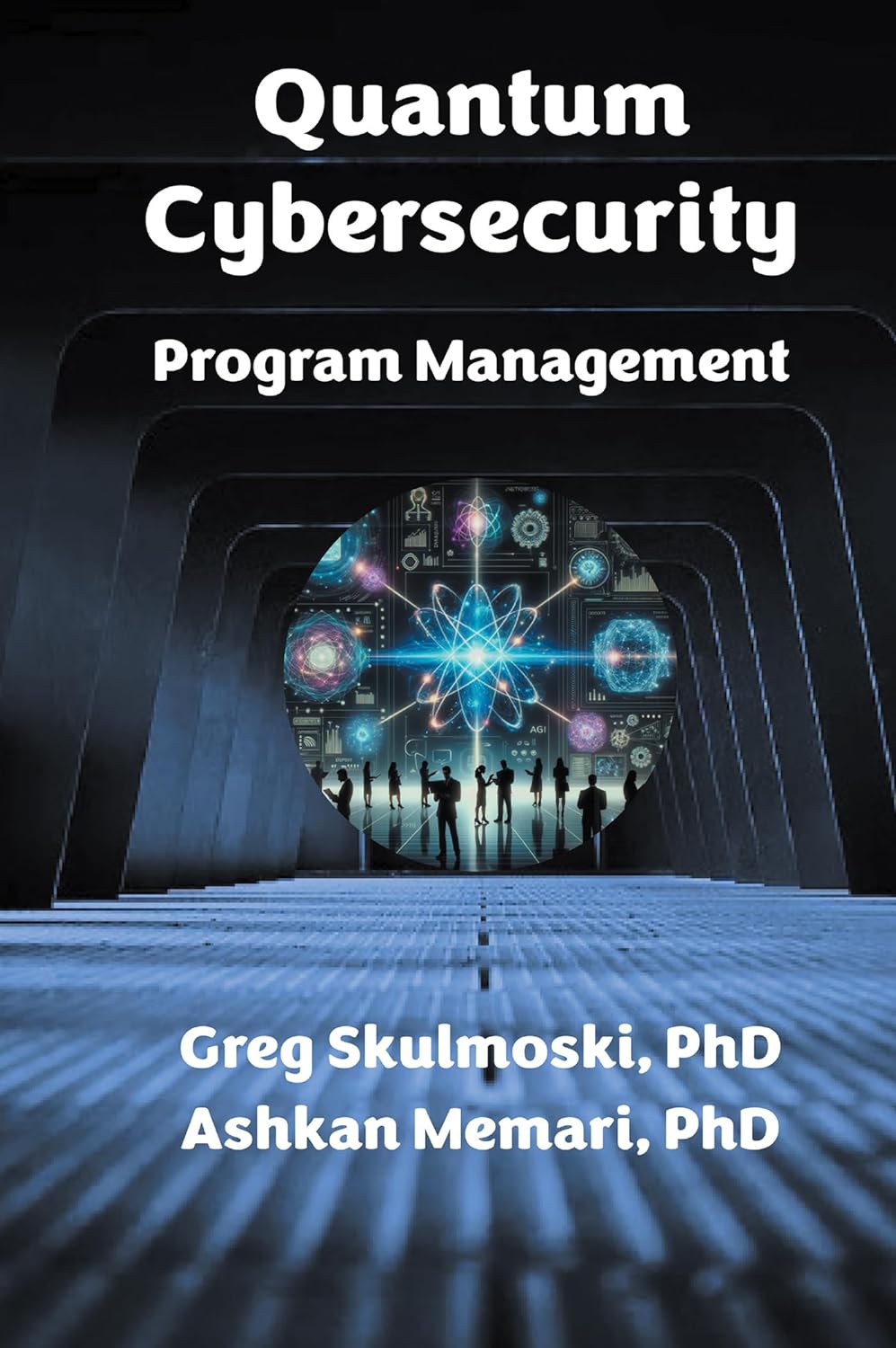

Overall impression
You’ll find that Quantum Cybersecurity Program Management Kindle Edition positions itself as a bridge between technical quantum security concepts and real-world program management practices. The tone aims to be practical and actionable, so you can apply ideas directly to your organization rather than getting lost in purely theoretical material.
What this Kindle Edition offers
You can expect the Kindle Edition to package guidance specifically focused on building, running, and governing programs that respond to the challenges posed by quantum computing to cryptographic systems. The book appears to emphasize a program-level lens — governance, stakeholder alignment, roadmaps, risk prioritization, and transition planning — rather than only deep quantum physics or cryptographic math.
Intended scope and focus
You’ll see content that mixes high-level strategic frameworks with operational checklists so that you can translate strategy into tasks and deliverables. The focus tends to be on helping program managers, technical leaders, and CISOs coordinate work across teams and vendors during a cryptographic transition.
Balance between technical and managerial content
You’ll appreciate a carefully measured balance: enough technical background so you can make informed decisions, but with a strong emphasis on the management processes you’ll actually use. If you need equation-level cryptography or full quantum algorithms, this probably isn’t the right single source; if you need program steering, it likely is.
Who should read it
You should pick this up if you are a program manager, project manager, security architect, CISO, or senior leader responsible for preparing your organization for post-quantum cryptographic changes. You’ll also benefit if you’re a vendor or consultant who needs to advise clients on transition strategy.
Beginners vs experienced professionals
If you’re new to cybersecurity program management, you’ll find practical frameworks and templates that shorten your learning curve. If you’re experienced, the book gives you a way to align teams and stakeholders and to structure the transition so it’s auditable and measurable.
Role-based usefulness
You’ll find different sections more relevant depending on your role: CISOs will appreciate governance and risk sections, program managers will gravitate to roadmaps and milestones, and architects will use technical overview and migration patterns to justify decisions.
Key strengths
You’ll be drawn to a few clear strengths: program-level emphasis, pragmatic checklists, and a Kindle format that supports search and cross-referencing. Those strengths make the book a useful, on-the-job reference rather than just conceptual reading.
Program-first perspective
You’ll benefit from frameworks that position the quantum risk as an organizational program rather than a one-off technical upgrade. That shift in perspective helps you manage dependencies, budgets, and timelines more realistically.
Practical templates and checklists
You’ll be able to use sample templates for risk assessments, stakeholder maps, and migration milestones, which reduce the time you’ll spend building artifacts from scratch. These are especially useful when you need to produce deliverables for executives or auditors.
Kindle advantages
You’ll appreciate the Kindle Edition’s search, highlights, and note features that let you find specific guidance quickly and carry checklists on your phone or tablet. The ability to jump to referenced sections and to copy sample language for policies saves time.
Potential weaknesses
You should also be aware of limitations: the book may not cover the absolute latest research in quantum-resistant algorithms, and it may require supplementation with vendor documentation and technical whitepapers. You’ll need to combine it with hands-on cryptographic resources if you’re implementing low-level cryptographic libraries.
Not a substitute for cryptography textbooks
You’ll still need specialized cryptography resources if you’re responsible for implementing or validating PQC (post-quantum cryptography) algorithms. This book is less about math proofs and more about management and decision-making.
Risk of vendor-specific gaps
You’ll want to be careful when the book references tools or vendors; these may change rapidly in the quantum ecosystem, so you should verify vendor claims and roadmaps independently. The strategic guidance remains useful, but tool-specific recommendations can age.
Coverage may be high-level in spots
You’ll notice some sections are intentionally high-level to remain applicable across industries, which means you’ll need to convert concepts into specific technical actions for your environment. Expect to adapt templates to your compliance, regulatory, and operational constraints.
Content breakdown
You’ll find that a systematic breakdown shows how the material progresses from context to planning to execution and measurement. The table below gives a hypothetical chapter-by-chapter summary to help you quickly understand the structure and what you’ll get out of each part.
| Chapter / Section | What you’ll learn | Why it matters to you |
|---|---|---|
| 1. Quantum Risk Overview | High-level threats from quantum computing and timeline estimates | Helps you set urgency and justify budget |
| 2. Business Impact Analysis | How to map cryptographic assets and business processes to risk | Shows what assets to prioritize |
| 3. Governance and Stakeholders | Roles, RACI matrices, and executive reporting formats | Ensures clear ownership and decision channels |
| 4. Roadmapping and Milestones | Phased plans, go/no-go criteria, and migration paths | Lets you track progress and hit deadlines |
| 5. Technical Assessment | Inventory of cryptographic usage and migration patterns | Guides engineers on what to change first |
| 6. Vendor and Procurement Strategy | Vendor selection criteria and contract considerations | Reduces vendor lock-in and misalignment risks |
| 7. Risk Management and Controls | Controls, testing plans, and audit readiness | Prepares you for compliance and assurance |
| 8. Transition Execution | Rollout patterns, rollback plans, and change control | Minimizes operational disruption |
| 9. Training and Change Management | Communication plans and training curricula | Ensures adoption and reduces human risk |
| 10. Measuring Success | KPIs, dashboards, and lessons learned | Makes program outcomes defensible and measurable |
How it fits into your learning path
You’ll want to use this book as a middle step between introductory quantum security primers and deep technical standards documents. It’s the practical playbook you’ll consult as you plan programs and engage stakeholders.
Pre-reading recommendations
You’ll be well-prepared if you’ve already read one or two primer-level overviews of quantum computing and PQC principles, or if you have a basic understanding of public-key cryptography. That background helps you separate technical noise from actionable items.
Follow-up resources
You’ll want to consult NIST standards, vendor whitepapers, and cryptography implementation guides after reading this book to turn program plans into specific technical tasks. Combine program-level artifacts with technical validation to reduce implementation risk.
Practical applications and exercises
You’ll find actionable exercises and suggested workshops that let you apply the material directly in your organization. These activities include building a cryptographic inventory, running tabletop exercises, and drafting a migration sprint backlog.
Sample workshops you can run
You’ll be able to run a half-day risk prioritization workshop using the book’s templates, aligning security, architecture, operations, and procurement teams. That kind of alignment is essential to getting budget and avoiding scope creep.
Hands-on exercises
You’ll be prompted to create artifacts like a cryptographic asset register and a phased migration plan that you can present to senior leadership. Those artifacts accelerate stakeholder buy-in and provide a repeatable process across business units.

Kindle edition specifics
You’ll notice specific features of the Kindle Edition that make it convenient as an on-the-job reference. Its portability, searchability, and ability to highlight text make it useful during meetings or while drafting program documents.
Navigation and search
You’ll be able to quickly jump to the governance or roadmap sections using search and to copy sample policy language into your documents. This makes it easier to find the exact checklist or template you need in the moment.
Highlighting and notes
You’ll find it simple to mark key passages and return to them later, which is handy when you’re building stakeholder presentations or policy drafts. Exporting highlights or notes helps you populate your program repository.
Comparison to alternatives
You’ll find different approaches across books and resources; some are more technical, others focus strictly on cryptography standards. This book’s niche is program management for quantum cybersecurity, so it stands out if you need organizational guidance more than academic depth.
Compared to technical cryptography books
You’ll notice that cryptography textbooks go deep into proofs and algorithms, but they don’t tell you how to manage a cross-functional migration program. If your priority is management and governance, this Kindle Edition will be more directly useful to you.
Compared to standards and whitepapers
You’ll use NIST and other standards as technical references, but those documents often lack templates and program-level context. This book fills that gap by showing you how to convert standards-based requirements into executable plans.
Pricing and value
You’ll evaluate the book’s value in terms of how quickly it reduces your program planning time and how easily you can repurpose its templates. The Kindle Edition typically offers good value because you can access it on multiple devices and search content quickly.
Cost-benefit considerations
You’ll likely find the book worth the price if it shortens planning cycles, clarifies stakeholder responsibilities, or reduces vendor selection risk. If you can reuse even a few templates across projects, the ROI can be significant.
Licensing and multiple readers
You’ll want to check Kindle’s lending or household features if multiple team members must access the content at once. Consider purchasing a license for your team if the book becomes a central program reference.
Tips for getting the most from it
You’ll get the best results if you actively convert templates into your tools and workflows. Use the book as a live playbook that you adapt to your governance model and regulatory environment.
Start with a gap analysis
You’ll begin by running a quick gap analysis using the book’s recommended checklist to see where your program stands today. That baseline helps you prioritize limited resources where they have the biggest impact.
Use it to structure stakeholder conversations
You’ll bring the book’s templates to meetings to formalize decisions and get commitment on timelines and budgets. The structured worksheets make it harder for discussions to remain vague.
Combine with technical verification
You’ll pair program deliverables with technical verification steps — test harnesses, PKI validation, and cryptographic implementation reviews — to ensure that program milestones translate into correct technical outcomes. That pairing reduces rework and audit findings.
Real-world scenarios where it helps
You’ll find this book useful in a variety of common organizational scenarios: planning a company-wide cryptographic migration, responding to a supplier’s deprecation timeline, or preparing for regulatory inquiries about cryptographic readiness. The book equips you with the artifacts you’ll need in these situations.
Large enterprise transition
You’ll use roadmaps, RACI matrices, and phased migration strategies to coordinate multiple product lines and third-party vendors across geographic regions. That coordination reduces inconsistency and helps you prioritize mission-critical assets.
Financial services and compliance-driven sectors
You’ll find specific governance and audit readiness sections helpful if you operate in heavily regulated industries that require formal evidence of reasonable steps taken. This book helps you document decisions in a way auditors will understand.
Small and medium organizations
You’ll also adapt the book’s guidance to smaller environments by focusing on prioritized assets and simpler governance structures. The templates allow you to scale down complexity while still showing due diligence.
Common questions you’ll have answered
You’ll get answers to critical procedural questions: How do you inventory cryptographic usage? How do you set go/no-go criteria for migration? How do you test fallback and rollback? The book covers these practical questions in an applied manner.
Example: How to prioritize assets
You’ll be guided to score assets based on confidentiality sensitivity, exposure, and cryptographic dependence, then map those scores to migration waves. This scoring system helps justify budget and sequencing decisions.
Example: How to handle third parties
You’ll find recommended contract language, vendor assessment checklists, and monitoring strategies to ensure third parties meet your transition timeline. That helps you avoid surprises when suppliers change algorithms or deprecate services.
What you’ll be able to do after reading
You’ll be able to build a clear, auditable quantum cybersecurity program plan, present a defensible timeline to executives, and coordinate cross-functional teams to execute migrations. The book’s value is in turning abstract quantum risk into program deliverables.
Short-term wins
You’ll be able to produce a prioritized inventory and a phased roadmap within a few weeks, giving you immediate traction with leadership. That momentum helps secure budget and resources.
Long-term capabilities
You’ll develop a repeatable program playbook that can be reused for future cryptographic changes, vendor transitions, or compliance cycles. Over time, this playbook becomes a strategic asset for your organization.
Potential red flags to watch for
You’ll want to verify any technical recommendations against current NIST guidance and vendor documentation because the quantum security landscape evolves quickly. Also, be cautious about one-size-fits-all approaches that don’t account for your environment’s unique constraints.
Avoid blind trust in timelines
You’ll need to treat algorithm deprecation and standardization timelines as inputs, not hard deadlines, and build contingency plans accordingly. Treat optimistic vendor roadmaps with skepticism and plan for flexibility.
Customize governance to your organization
You’ll resist the temptation to copy governance structures verbatim; instead, adapt roles and responsibilities to your org chart and compliance requirements. This avoids bloated processes or gaps in accountability.
How to incorporate it into your procurement and vendor strategy
You’ll leverage the vendor selection criteria and contract language templates to ensure vendors commit to timelines and interoperability. Use the book’s guidance to establish SLAs, upgrade clauses, and verification checkpoints.
Drafting procurement language
You’ll use sample contract clauses that require vendors to support post-quantum algorithms or provide migration paths with clear deadlines. That language reduces ambiguity and improves enforceability.
Vendor assessment checklist
You’ll score vendors on technical readiness, interoperability testing, and update guarantees, helping you make defensible procurement choices. You’ll also identify where to add contractual remedies.
Final verdict and rating
You’ll find Quantum Cybersecurity Program Management Kindle Edition to be a strong, practical resource if your responsibility is to lead or coordinate a cryptographic transition. It earns its place on your bookshelf if you value program artifacts, templates, and management frameworks over deep mathematical proofs.
Who will benefit most
You’ll benefit the most if you’re responsible for planning, governance, vendor management, or executive reporting around quantum cybersecurity readiness. If you need tactical, on-the-ground templates and communication tools, this is a useful investment.
Who may need additional material
You’ll want complementary technical and standards materials if you’re directly implementing cryptographic algorithms or performing code-level reviews. Use this book to structure the program and pair it with technical references for implementation.
Quick checklist you can use right away
You’ll be able to act immediately by following this short checklist to kickstart your program:
- Inventory cryptographic dependencies across systems and vendors.
- Score assets by risk and business impact to define migration waves.
- Establish governance with named owners, decision gates, and a communication plan.
- Draft procurement clauses for vendor accountability on algorithm changes.
- Create a testing and rollback plan for each migration wave.
You’ll find that following these steps gives you momentum and provides the documentation to secure budgets and stakeholder buy-in.
Closing recommendations
You’ll want to read this Kindle Edition with an eye toward adaptation: copy templates into your program repository, run the workshops suggested, and pair its guidance with up-to-date technical standards. If you make the materials actionable in your organization, the book will repay your time many times over.

Disclosure: As an Amazon Associate, I earn from qualifying purchases.