Are you trying to break into cybersecurity but unsure which steps will actually get you hired?

Product Overview
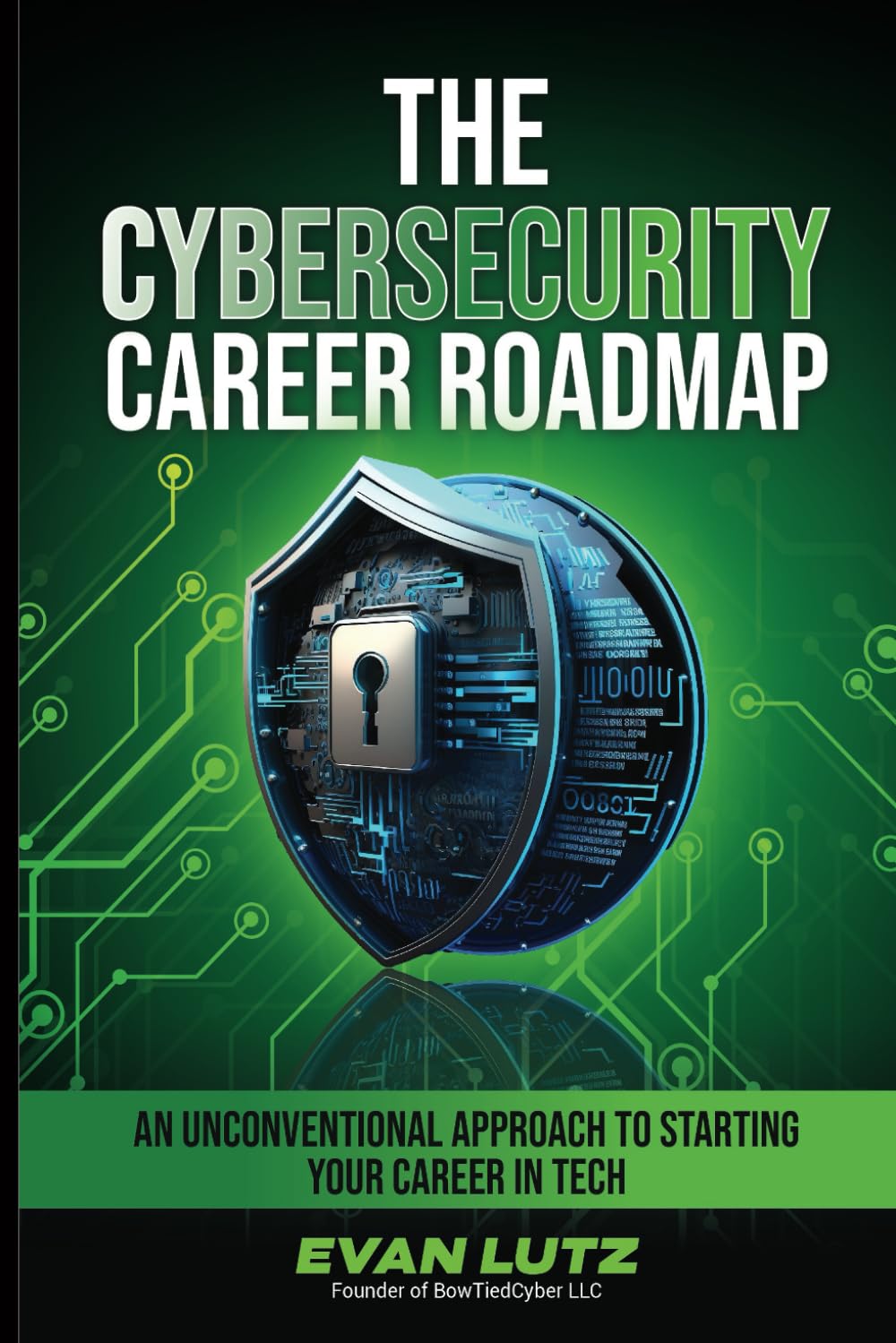
You’ll find “The Cybersecurity Career Roadmap: An Unconventional Approach to Starting Your Career in Tech” positioned as a practical, actionable guide that frames the career path rather than only teaching technical minutiae. The content aims to map decisions, milestones, and skill priorities so you can build a realistic plan and avoid common false starts.
What the Product Promises
The book promises you’ll have a step-by-step plan to go from zero or minimal experience to your first role in cybersecurity, with an emphasis on unconventional but practical tactics. You should expect guidance on resumes, networking, portfolio projects, and the mindset that hiring managers often look for in entry-level candidates.
Who Created It / Author Credentials
The author(s) present themselves as practitioners and career coaches with direct hiring or mentoring experience in cybersecurity and adjacent tech fields. You’ll want to double-check biography and credential details when you buy, because the value you get often ties closely to the publisher’s and author’s real-world hiring exposure.
Structure and Content
You’ll find the content arranged to reflect stages in a career start: orientation, fundamentals, hands-on practice, job search strategy, and career acceleration tips. The order is intentionally practical so you can start applying small wins (like a simple lab project or a networking note) immediately and scale up as you gain confidence.
Modules and Topics Covered
The roadmap breaks the learning scope into modules that cover core knowledge areas, career tactics, and practical projects. You should expect modules on security fundamentals, tools and platforms, soft skills like communication and interview prep, and a section dedicated to non-traditional ways of proving competency.
Here’s a table to summarize the typical modules, estimated time commitment, delivery format, target level, and expected outcomes for each section. This will help you allocate your study time more effectively.
| Module / Topic | Estimated Time | Format | Target Level | Key Outcomes for You |
|---|---|---|---|---|
| Orientation & Mindset | 3-5 hours | Reading/Checklist | Beginner | Clear plan, goal-setting, and daily routines |
| Security Fundamentals | 20-40 hours | Text + Labs | Beginner-Intro | Understanding of CIA triad, basic networking, common threats |
| Tools & Environments | 15-30 hours | Video + Labs | Beginner-Intermediate | Familiarity with CLI, packet capture, virtual labs, Linux basics |
| Hands-on Projects | 30-60 hours | Guided Projects | Beginner-Intermediate | Portfolio pieces like a lab write-up, simple CTF, or pentest report |
| Resume, LinkedIn & Outreach | 5-10 hours | Templates + Examples | All levels | Targeted resume, optimized profile, outreach scripts |
| Interview Prep & Mock Interviews | 10-20 hours | Exercises + Scripts | Beginner-Intermediate | Behavioral answers, technical question frameworks, confidence |
| Certifications & Career Paths | 5-15 hours | Guide | All levels | Roadmap for certs (e.g., Security+, OSCP pathway), role choices |
| Job Search & Negotiation Strategies | 10-20 hours | Checklists | All levels | Application cadence, negotiation anchors, follow-up sequences |
Practical Exercises and Projects
The product places a strong emphasis on project-driven learning so you can show evidence of skills instead of only having theoretical knowledge. You’ll work through projects designed to be resume-ready, with templates for documenting scope, steps, findings, and remediation suggestions.
Format and Learning Aids
You’ll likely get a mix of written lessons, checklists, project blueprints, and recommended lab setups, with occasional video snippets if the package includes multimedia. The presence of templates and scripts for outreach and interviews makes it easier for you to act quickly rather than composing everything from scratch.
Strengths (Pros)
You’ll appreciate the pragmatic orientation that treats career building as its own discipline, not just a sequence of technical lessons. The roadmap focuses on concrete artifacts and behaviors that hiring teams actually evaluate, which helps you prioritize what matters most early on.
Accessibility and Onboarding
The onboarding section is designed to get you started in a week, with clear first tasks and low-friction lab setups using free or inexpensive tools. You’ll be guided to produce the first small win quickly, which helps maintain momentum during the tougher stretches of learning.
Real-World Orientation
The roadmap’s real value is in translating technical learning into workplace-relevant outputs—reports, scripts, documented investigations, and a tangible narrative for interviews. You’ll learn how to tell the story of your work so employers can intuitively understand your competencies.
Weaknesses (Cons)
Some sections make assumptions about your self-discipline and may understate the time you’ll realistically need if you’re managing a full-time job or family commitments. You should plan for more time than the “estimated” figures if you’re new to technical concepts or haven’t coded at all.
Gaps and Limitations
There are occasional gaps in specialist areas like industrial control systems, cloud-native offensive tools, or advanced malware analysis; the roadmap is intentionally broad rather than hyper-specialized. If your target is a niche security domain, you’ll still need supplementary learning or mentorship to reach hiring-ready depth.
Updates and Timeliness
Technology and employer expectations shift quickly, so you’ll need to supplement the roadmap with current blogs, podcasts, and resources about the latest threats and tools. The core career guidance is likely stable, but specific tool recommendations and command examples may age over time.

Who This Is For
If you’re starting your cybersecurity journey from scratch or switching careers into security from IT or another tech role, this product is tailored to help you prioritize. You’ll find the recommended artifacts and outreach strategies especially useful if you need to make a practical case for hire with limited prior experience.
Beginners and Career-Changers
You should find the stepwise approach friendly if you have minimal background in programming or networking, because it breaks complex subjects into manageable projects. The roadmap’s emphasis on career moves and portfolio creation makes it well-suited to people who lack formal degrees or relevant work history.
Experienced Technicians Looking to Pivot
If you already have IT experience but haven’t been in security roles, the product helps translate your previous experience into security-relevant terms and projects. You’ll learn how to reframe incidents, change requests, or system admin tasks as security outcomes that matter to hiring managers.
How This Compares to Other Resources
This roadmap is different from a technical textbook or course because its main deliverable is a career plan rather than a syllabus. You should view it as complementary to hands-on training, not a replacement for in-depth technical study where needed.
Compared to Bootcamps
Unlike many bootcamps, the roadmap is usually less expensive and more flexible in pacing, and it focuses on long-term career strategy. You’ll not get the same level of live instruction, cohort networking, or direct placement guarantees that some bootcamps offer.
Compared to Books and MOOCs
Compared to a single-topic book or a MOOC that teaches a specific skill set, the roadmap weaves technical learning with job-market tactics. You should expect to consult books and MOOCs for deep dives into topics like network forensics, exploit development, or cloud security, while using this roadmap to integrate those skills into a job search narrative.
Pricing and Value
Pricing varies by edition and included extras such as templates, videos, or mentorship add-ons, so you’ll want to check the current package details before purchase. Overall value depends heavily on how much you apply the guidance: the content is most valuable when you follow its action items and complete the suggested portfolio pieces.
Is It Worth the Cost?
If you follow through with the recommended projects and outreach plan, you’ll likely get more return than from a passive course that only grants certificates. You should consider the roadmap a multiplier for your effort: the clearer plan and artifacts can accelerate interviews and callbacks.
Alternatives and Cost-Saving Tips
You can combine free community resources—like CTF platforms, open labs, and mentorship forums—with selective paid resources such as a single certification course to save money. You’ll also get more mileage by batching tasks (project documentation, sample reports) and reusing templates across job applications.
How to Use This Roadmap Effectively
To get maximum benefit, you should treat the roadmap as your operating system for career actions rather than a one-pass read. Make the materials actionable by creating a weekly schedule, setting measurable outcomes, and tracking progress against the recommended artifacts.
Creating a Study Schedule
Design a realistic study block you can sustain for months: shorter, consistent daily sessions often beat long, sporadic marathons. You’ll want to blend theory, hands-on practice, and portfolio work so each week produces at least one demonstrable artifact.
Building a Portfolio and Getting Experience
Document everything from lab exercises to simulated incident responses as polished artifacts you can show during interviews, and keep a concise write-up for each project. You should aim for variety—at least one vulnerability assessment-style report, one red-team style task, and one forensic or incident analysis—to demonstrate breadth.
Assessment: Final Verdict
You’ll find “The Cybersecurity Career Roadmap: An Unconventional Approach to Starting Your Career in Tech” particularly useful if you need structure, accountability, and a clear set of deliverables that hiring teams can evaluate. The core concept—treat career building as a product with milestones and artifacts—remains the book’s greatest strength.
Who Should Buy It
Buy this if you need an organized, actionable plan to break into cybersecurity, especially if you prefer project-based learning tied directly to job search tactics. You’ll get the best results if you commit to completing the projects and applying the outreach templates.
Who Should Consider Alternatives
If you already have a deep technical background and your main need is advanced skill specialization or formal mentorship, you might prefer focused courses, live bootcamps, or direct mentorship. You should also consider other resources if you need guaranteed job placement or accredited certification paths as your main objective.
FAQs
How long will it take to get job-ready using this roadmap?
Your timeline will depend on prior experience, weekly commitment, and learning efficiency; most learners can reach an entry-level hiring footing in 4–12 months with dedicated effort. You should plan longer if you have significant family or work obligations, or if you need to build foundational skills like Linux and basic scripting.
Do you need prior coding experience to follow this roadmap?
No, prior coding is not strictly required, but basic scripting (Python or Bash) will make several practical tasks easier and is recommended. You’ll learn targeted, pragmatic scripting examples to help you automate tasks that employers like to see in junior roles.
Will this roadmap help you get certifications like Security+ or OSCP?
The roadmap can help you prioritize learning that aligns with common certs, especially foundational ones like Security+ and Cybersecurity Fundamentals. For hands-on certs like OSCP, you’ll likely need supplementary practice-focused training and a lab-heavy regimen in addition to what the roadmap provides.
Is mentorship or community included?
This depends on the specific package you purchase; some editions include access to a community or periodic Q&A sessions while others don’t. If mentorship is important to you, confirm whether live coaching or community support is bundled before buying, and budget for it if not.
What equipment or software will you need to follow the labs?
You’ll primarily need a laptop with virtualization support, some open-source tools, and access to free lab environments or low-cost cloud instances. You should also be prepared to configure Linux virtual machines and install basic security tools like Wireshark, Nmap, and a few beginner-friendly toolsets.
Can you follow it while working full-time?
Yes, the roadmap is designed for flexibility and is intended to be workable alongside full-time jobs if you create a realistic schedule. You should prioritize high-impact activities and aim for consistent weekly progress rather than trying to complete everything at once.
Additional Practical Tips You Can Use Immediately
Create a portfolio repository (GitHub or a personal site) and start posting short, clear write-ups for each lab or project you complete. You’ll benefit from having a short video walkthrough and a one-page summary for each project so hiring managers can quickly assess your contributions.
Networking and Outreach Shortcuts
Send concise, targeted outreach messages to people whose profiles you genuinely understand, and attach one artifact or insight that demonstrates your value. You should keep a tracking sheet for your outreach efforts and follow a cadence of polite follow-ups.
Final Recommendations and Next Steps
If you’re serious about breaking into cybersecurity, commit to three concrete actions within the first week: set up your lab environment, complete one small project and document it, and send three targeted outreach messages. You’ll build momentum quickly by combining technical work with career-focused artifacts.
Closing Thoughts
You’ll get the most from this roadmap if you treat it as a living document—one you update as you learn new tools, receive feedback from interviews, and refine your narrative. With persistence and strategic action, this product can shorten the time it takes you to land that first cybersecurity role and set up a sustainable career path.

Disclosure: As an Amazon Associate, I earn from qualifying purchases.