?Are you trying to build or strengthen your organization’s security program but want a practical, manager-focused guide to help you take action?
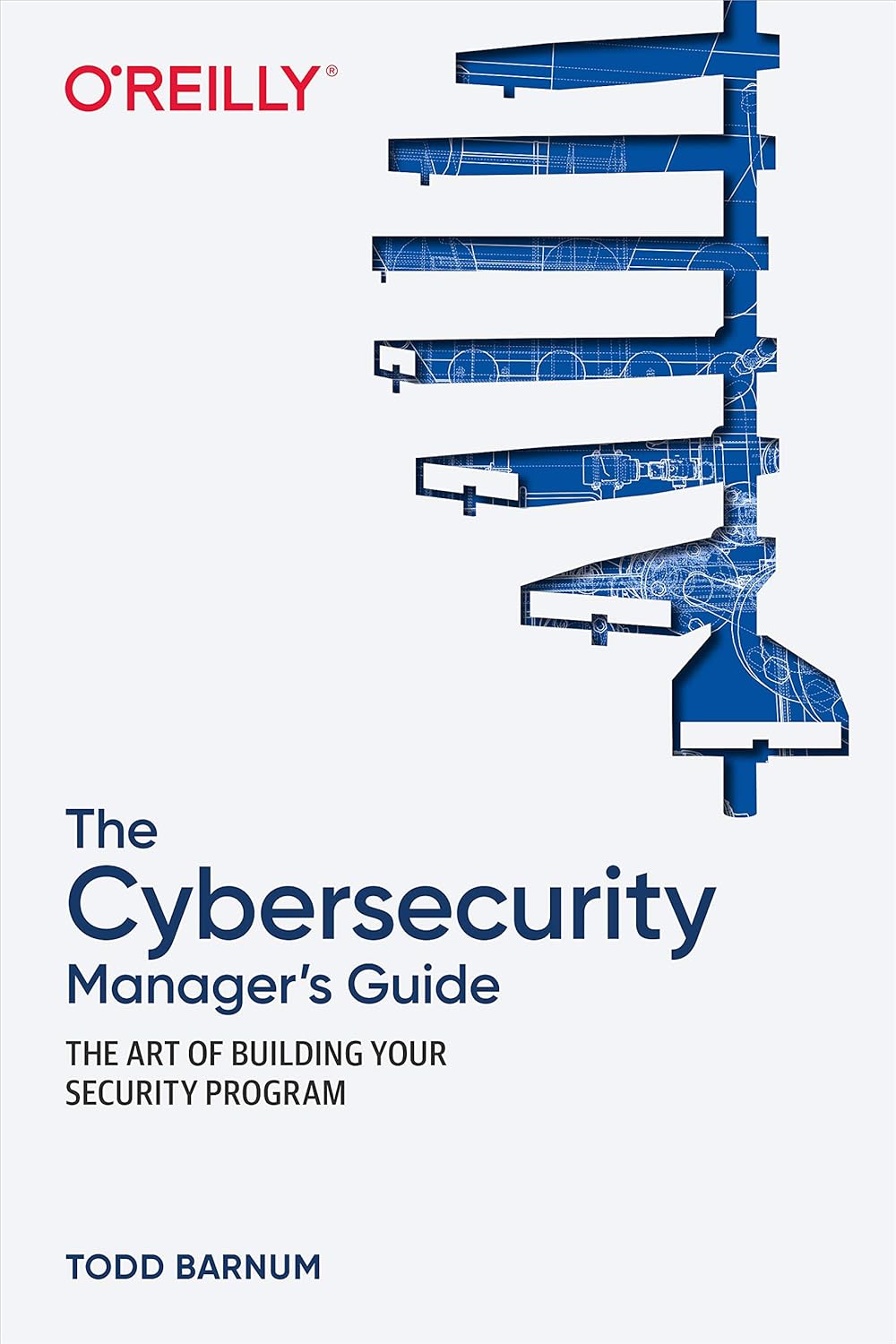

Quick Verdict
You’ll find that The Cybersecurity Manager’s Guide: The Art of Building Your Security Program 1st Edition is written to help you move from concept to execution. It focuses on the managerial, strategic, and operational decisions you’ll make as you design, staff, measure, and mature a security program.
About the Book
This title specifically targets security leaders and managers who must translate risk, compliance, and technical controls into repeatable programmatic work. You’ll read a collection of frameworks, templates, and actionable advice designed to fit into typical organizational realities like budget constraints, stakeholder politics, and legacy IT environments.
Who This Book Is For
You should pick this book up if you’re a new or experienced security manager, a CISO, or an IT leader responsible for building or maturing a security function. It’s also useful if you’re a non-technical executive who needs to understand program requirements and trade-offs so you can support security leadership effectively.
How the Book Approaches Security Program Building
The author treats program building as a mix of people, process, and technology, with a heavy emphasis on governance, prioritization, and communication. You’ll see frameworks for risk-based decision making and guidance on translating those decisions into policies, roadmaps, and measurable outcomes.
What You Will Learn
You’ll gain practical knowledge in several areas that every manager needs:
- How to structure governance and reporting so you get stakeholder buy-in and visibility.
- How to identify and prioritize risks in a way that aligns with business objectives.
- How to create repeatable processes and operational runbooks for day-to-day security tasks.
- How to hire, develop, and retain the right security talent for your program.
- How to measure success through metrics, KPIs, and maturity models.
Table — At-a-Glance Breakdown of Core Content
| Chapter / Section | Key Topics Covered | Practical Outcome | Time to Implement |
|---|---|---|---|
| Foundations & Governance | Roles, responsibilities, reporting lines, steering committees | Clear governance model you can present to executives | 2–6 weeks |
| Risk Management | Risk assessment methods, prioritization, business alignment | Prioritized risk register and mitigation plan | 4–8 weeks |
| Policies & Standards | Policy templates, lifecycle, approval workflows | Policy library and maintenance process | 2–6 weeks |
| Architecture & Controls | Secure design principles, control selection, technical roadmaps | Control implementation plan aligned to risks | 6–12 weeks |
| Operations & Monitoring | SOC fundamentals, logging, incident management | Operational playbooks and initial monitoring baseline | 4–10 weeks |
| Incident Response | IR lifecycle, roles, tabletop exercises | Tested IR plan and response team cadence | 3–8 weeks |
| Metrics & Reporting | KPIs, dashboards, executive reporting | Dashboard templates and reporting cadence | 2–4 weeks |
| People & Culture | Recruiting, training, awareness programs | Hiring plan, role descriptions, and training schedule | Ongoing |
| Budget & Procurement | Business case, vendor selection, contract considerations | Budget justification and vendor shortlist process | 3–6 weeks |
| Maturity & Roadmaps | CMMI-like maturity mapping, continuous improvement | Multi-year roadmap with milestones and owners | 4–12 weeks |
Chapter-by-Chapter Breakdown
The book is organized to take you from strategy to execution, and you’ll be able to follow a logical sequence that maps well to how you’ll actually work in your organization.
Chapter 1 — Foundations and Governance
You’ll be shown how to define the scope of your security program and how governance should work in practice. The chapter explains reporting relationships, steering committees, and the kinds of stakeholders you’ll need to recruit to get traction.
Chapter 2 — Risk Management and Prioritization
You’ll learn a pragmatic approach to risk assessments that favors action over perfect models. The chapter emphasizes aligning risks to business impact so you can present interventions in executive language.
Chapter 3 — Policy, Standards, and Procedures
You’ll get clear guidance on what policies you need first and how to manage policy lifecycles without creating paralysis. The author gives templates and examples to help you draft usable documents that people will actually follow.
Chapter 4 — Secure Architecture and Control Selection
You’ll be guided on how to translate risk into controls and how to use technical roadmaps to stage implementations. The chapter balances architectural theory with real-world constraints like legacy systems and third-party dependencies.
Chapter 5 — Security Operations and Monitoring
You’ll find practical advice for standing up monitoring, logging, and an initial SOC capability. The focus is on incremental, high-impact activities—what to instrument first, how to tune alerts, and how to avoid detection fatigue.
Chapter 6 — Incident Response and Resilience
You’ll learn how to build an incident response program that’s tested and repeatable. The chapter includes playbook examples, escalation criteria, and guidance on running tabletop exercises that get the right people prepared.
Chapter 7 — Metrics, Reporting, and Dashboards
You’ll get guidance on what to measure and how to report up to both technical and non-technical audiences. The emphasis is on metrics that matter—ones that show risk reduction and program ROI.
Chapter 8 — People and Team Building
You’ll be given hiring frameworks, role descriptions, and retention strategies tailored to security teams. The chapter also covers cross-functional collaboration and how to build a security-aware culture.
Chapter 9 — Budgeting, Procurement, and Vendor Management
You’ll learn how to justify security investments and how to evaluate vendor claims in the context of your program. The chapter provides negotiation tips and procurement checklists that can speed up purchases without sacrificing due diligence.
Chapter 10 — Compliance and Legal Considerations
You’ll see how to map regulatory requirements to program controls and avoid the trap of checkbox compliance. The chapter emphasizes defensible, business-aligned compliance efforts.
Chapter 11 — Maturity Models and Roadmaps
You’ll be shown how to measure maturity and set realistic milestones over a multi-year horizon. The chapter helps you build a continuous improvement process so you can track progress and make adjustments.
Chapter 12 — Case Studies and Real-World Examples
You’ll read case studies that illustrate common pitfalls and successful patterns. These grounded examples help you relate the book’s guidance to scenarios you’ll likely encounter.
Strengths of the Book
You’ll appreciate several strengths that make this book especially useful for managers:
- Practical orientation: the guidance is meant to be implemented, not just theorized.
- Templates and playbooks: you’ll get repeatable artifacts that reduce the work required to get started.
- Business alignment: the book frames security decisions in terms of business outcomes and risk, which helps you communicate with executives.
- Actionable sequencing: you’ll get suggested priorities and phased plans so you can focus on high-impact activities first.
Weaknesses and Limitations
You should be aware of some limitations so you can set appropriate expectations:
- Not a deep technical manual: you won’t get vendor-specific configuration steps or low-level attack details.
- Generic templates may need tailoring: you’ll need to adapt many artifacts to your organization’s size, sector, and regulatory environment.
- Assumes some baseline knowledge: if you’re brand new to security concepts, you may need supplementary materials to get up to speed on technical terms.

How to Use This Book in Your Organization
You’ll find that the book works best when used as a playbook across several initiatives rather than a one-time read. Use the templates, run the exercises with your team, and extract the checklists for operational use.
Suggested First Actions
You should start by mapping current capabilities, identifying your top three risks, and selecting a 90-day plan from the book’s recommended activities. This creates momentum and generates quick wins you can present to leadership.
How to Run Internal Workshops
You’ll be guided to run workshops that translate the book’s material into organizational decisions. Use the sample agendas to align stakeholders on scope, priorities, and timelines.
Tools and Templates Included (and How You’ll Use Them)
The book supplies a number of practical tools you can adapt for your environment. You’ll likely find these most useful if you import them into your existing project and document management systems.
- Policy templates for common domains (acceptable use, access control, incident response).
- Risk register templates to capture and track risks.
- Incident playbooks with roles and escalation matrices.
- KPI dashboards and reporting templates for executive briefings.
- Maturity model worksheets to track progress over time.
How to Customize the Templates
You’ll want to remove boilerplate language and align naming conventions and authority levels to your organization. Tailoring ensures the documents are usable and will be adopted by stakeholders.
Practical Roadmap — A Realistic Timeline You Can Follow
You should be able to follow a phased timeline that turns theory into action over 12 months. The book lays out suggested milestones; below is a consolidated version you can adopt.
| Phase | Focus | Key Deliverables | Typical Duration |
|---|---|---|---|
| Phase 0 | Assessment | Current-state map, top 10 risks | 2–4 weeks |
| Phase 1 | Governance & Quick Wins | Governance charter, initial policies, 90-day high-impact controls | 4–8 weeks |
| Phase 2 | Core Controls & Ops | Logging baseline, IR playbooks, SOC scope | 8–16 weeks |
| Phase 3 | Program Scaling | Hiring, training, vendor selection, dashboards | 3–6 months |
| Phase 4 | Maturity & Continuous Improvement | Roadmap execution, metrics, audits | Ongoing (quarterly reviews) |
Hiring and Team Structure Advice You’ll Use
The book gives specific role definitions and suggested team structures so you can build an effective security function. You’ll get guidance on which roles to prioritize based on your organization’s size and risk profile.
Key Roles to Consider First
You’ll likely hire a program manager or security operations lead as your first critical hire, followed by an incident handler and a security engineer. The book explains when to outsource vs. build internal capabilities.
Retention and Career Paths
You’ll get tips for creating career ladders so your team members can see growth opportunities, which helps you retain talent in a competitive market.
Measuring Success — KPIs and Metrics You’ll Report
You’ll be guided to select metrics that show real progress and link to risk reduction. The book discourages vanity metrics and gives examples of useful KPIs for both technical and executive audiences.
Examples of Useful Metrics
You’ll report metrics like mean time to detect (MTTD), mean time to respond (MTTR), percentage of critical assets with coverage, and program milestone completion rates. Each metric is tied to action items and owners.
Incident Response — From Plan to Practice
You’ll find the book emphasizes testing and exercising your incident response plans regularly. It gives step-by-step guidance on running tabletop exercises and incorporating lessons learned into process updates.
Tabletop Exercise Template
You’ll use a scenario-based template that helps you identify gaps in communication, roles, and technical capabilities. The book suggests frequency and how to escalate findings into remediation tasks.
Vendor and Tool Selection Guidance
You’ll get practical checklists to evaluate vendors and tools so you can avoid common procurement mistakes. The book stresses aligning tools to your prioritized risks rather than buying based on marketing claims.
Contract and SLA Considerations
You’ll receive sample negotiation points and SLA metrics you can ask for, including response times, escalation processes, and scope of support.
Integration with Compliance and Legal Needs
You’ll learn how to map regulatory requirements to program controls so you don’t waste resources on checkbox compliance. The author recommends pragmatic controls that satisfy auditors and reduce real risk.
Working with Legal and Audit Teams
You’ll get advice on engaging legal and audit early in the process to avoid last-minute surprises and to ensure documentation meets external scrutiny.
Case Studies — Lessons You’ll Be Able to Apply
You’ll read actionable case studies that show real program decisions and consequences. The scenarios are framed so you can identify what you’d do differently and how to adapt those lessons to your environment.
Common Pitfalls Highlighted
You’ll be warned about over-reliance on tools, poor stakeholder engagement, and failing to prioritize risks by business impact. The book gives corrective actions tied to each pitfall.
How the Book Compares to Other Security Management Titles
You’ll notice this book leans toward practical program management more than deeply technical or theoretical treatments. It complements technical guides by focusing on adoption, governance, and continuous improvement.
When to Read This Book Versus a Technical Reference
You’ll use this book when you need to build a program, align stakeholders, or measure outcomes. For deep technical configuration or research on specific attacks, pair this book with specialized resources.
Price and Value Considerations
While price isn’t provided here, you should evaluate value by the time you save and the clarity provided by templates and playbooks. If you implement even a few recommendations, you’ll likely recoup effort costs through faster decision-making and fewer missteps.
Final Recommendation
You should consider The Cybersecurity Manager’s Guide: The Art of Building Your Security Program 1st Edition if your goal is to translate security theory into a functioning, measurable program. The book gives you a pragmatic path, useful artifacts, and management-focused advice so you can get things done faster and with clearer business alignment.
Action Plan — Put the Book to Work This Week
You can turn the book into immediate momentum with three quick steps:
- Run a two-hour assessment workshop with key stakeholders to map current capabilities and top risks.
- Adopt one policy template and get it approved through your normal governance cycle.
- Select a 90-day control (e.g., logging, MFA for critical systems) and assign owners and metrics.
You’ll find that following these steps will generate quick wins and provide momentum to implement the broader roadmap the book proposes.

Disclosure: As an Amazon Associate, I earn from qualifying purchases.